Electrical Wire Types: Choosing the Right Wire
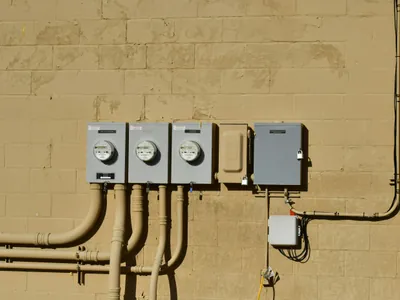
When you look at the wiring in your home, you might see a variety of colors and sheathing types. Each type of electrical wire is designed for a specific purpose, and using the right wire for the job is essential for a safe, code-compliant electrical installation. This guide covers some of the most common types of residential wiring.
🏠 Non-Metallic (NM-B) Cable
Also known by the popular brand name "Romex," this is the most common type of wiring found inside modern homes.
💧 Underground Feeder (UF-B) Cable
This is the workhorse for outdoor and underground applications.
🔧 THHN/THWN Wire
These are individual, insulated conductors typically used inside conduit.
🔢 Understanding Wire Gauge (Size)
The size of the wire, or its gauge, determines how much current it can safely carry. The smaller the gauge number, the thicker the wire.
14-Gauge
Used for 15-amp circuits (e.g., standard lighting and outlets).
12-Gauge
Used for 20-amp circuits (e.g., kitchen outlets, bathrooms, and garages).
10-Gauge
Used for 30-amp circuits (e.g., clothes dryers, some water heaters).
6/8-Gauge
Used for high-power appliances like electric ranges and central air conditioners.
Using a wire that is too small for the amperage of the circuit is a serious fire hazard. Always match the wire gauge to the circuit breaker rating.
Choosing the correct wire type and gauge is a critical safety decision. For any new wiring or circuit installation, trust the professionals at Aircare In A Box to ensure the job is done safely and up to code.
Tags
Related Articles
Discover more articles that might interest you from our comprehensive collection.


Ready to Experience Aircare In A Box?
Join hundreds of satisfied customers who trust us with their home and business needs.